Paper I
General Economics I
As part of the Indian Economic Services Exam Syllabus, Paper I focuses on Microeconomic Theory, Mathematical Economics, Econometrics and Statistics. You can assume, questions will comprise 75%-80% Microeconomics and 20%-25% Maths, Statistics and Econometrics
Part A — Microeconomics
Theory of Consumer’s Demand
Cardinal utility Analysis: Marginal utility and demand, Consumer’s surplus, Indifference curve Analysis and utility function, Price income and substitution effects, Slutsky theorem and derivation of demand curve, Revealed preference theory. Duality and indirect utility function and expenditure function, Choice under risk and uncertainty. Simple games of complete information, Concept of Nash equilibrium.
Theory of Production
Factors of production and production function. Forms of Production Functions: Cobb Douglas, CES and Fixed coefficient type, Translog production function. Laws of return, Returns to scale and Return to factors of production. Duality and cost function, Measures of productive efficiency of firms, technical and allocative efficiency. Partial Equilibrium versus General Equilibrium approach. Equilibrium of the firm and industry.
Theory of Value
Pricing under different market structures, public sector pricing, marginal cost pricing, peak load pricing, cross-subsidy free pricing and average cost pricing. Marshallian and Walrasian stability analysis. Pricing with incomplete information and moral hazard problems.
Theory of Distribution
Neo classical distribution theories; Marginal productivity theory of determination of factor prices, Factor shares and adding up problems. Euler’s theorem, Pricing of factors under imperfect competition, monopoly and bilateral monopoly. Macro-distribution theories of Ricardo, Marx, Kaldor, Kalecki.
Welfare Economics
Inter-personal comparison and aggregation problem, Public goods and externalities, Divergence between social and private welfare, Compensation principle. Pareto optimality. Social choice and other recent schools, including Coase and Sen.
Part B — Quantitative Methods in Economics
Mathematical Methods in Economics
Differentiation and Integration and their application in economics. Optimisation techniques, Sets, Matrices and their application in economics. Linear algebra and Linear programming in economics and Input-output model of Leontief.
Statistical and Econometric Methods
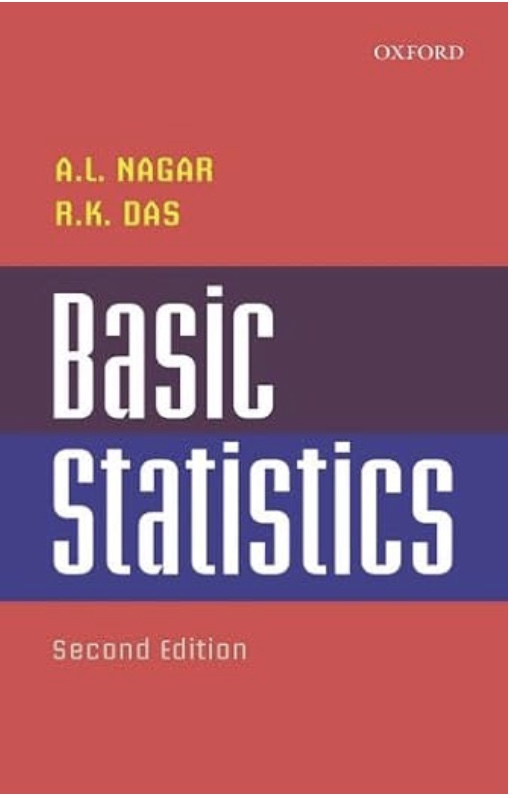
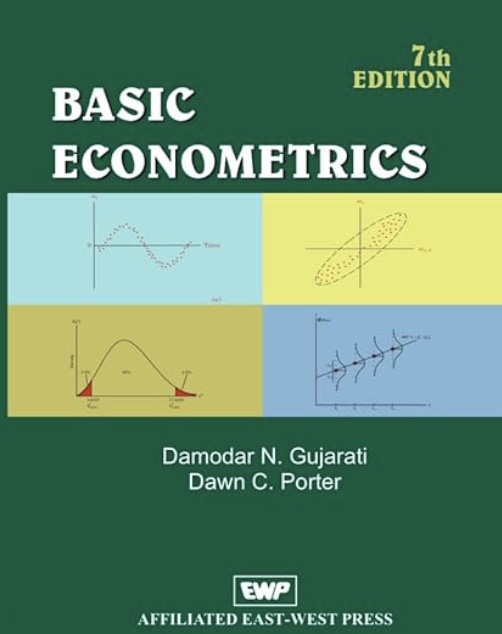
Measures of central tendency and dispersions, Correlation and Regression. Time series. Index numbers. Sampling of curves based on various linear and non-linear function. Least square methods and other multivariate analysis (only concepts and interpretation of results). Analysis of Variance, Factor analysis, Principal component analysis, Discriminant analysis. Income distribution: Pareto law of Distribution, lognormal distribution, measurement of income inequality. Lorenz curve and Gini coefficient. Univariate and multivariate regression analysis. Problems and remedies of Heteroscedasticity, Autocorrelation and Multicollinearity.
Recommended Reading
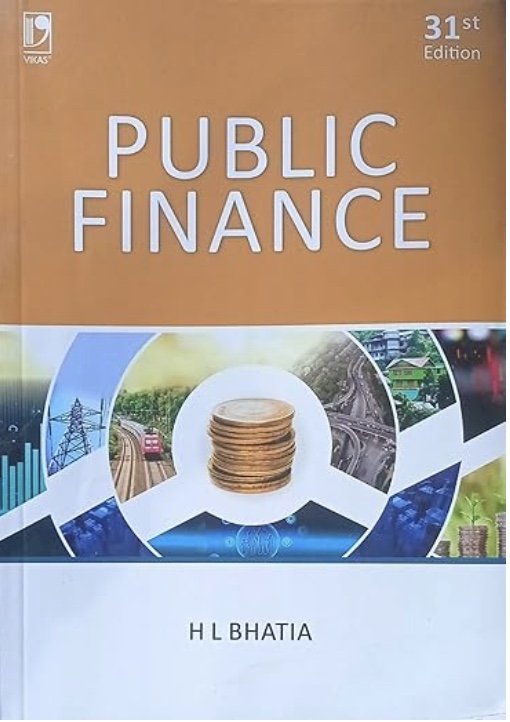
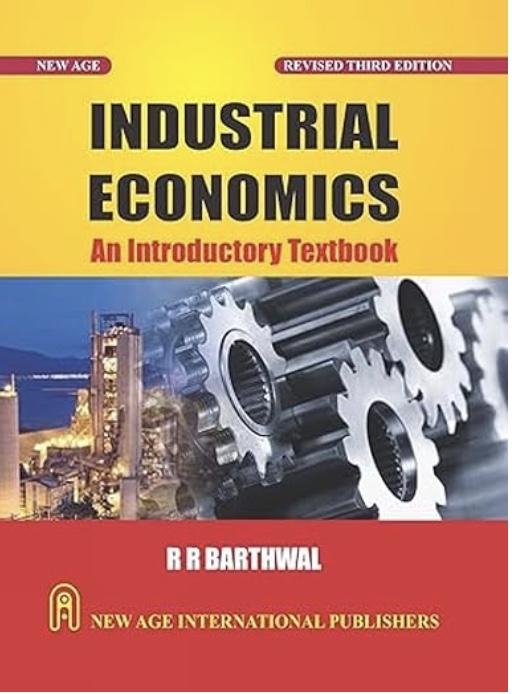
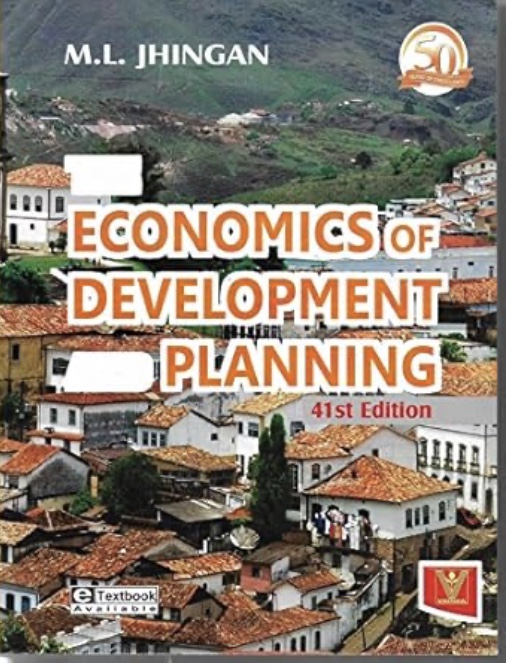
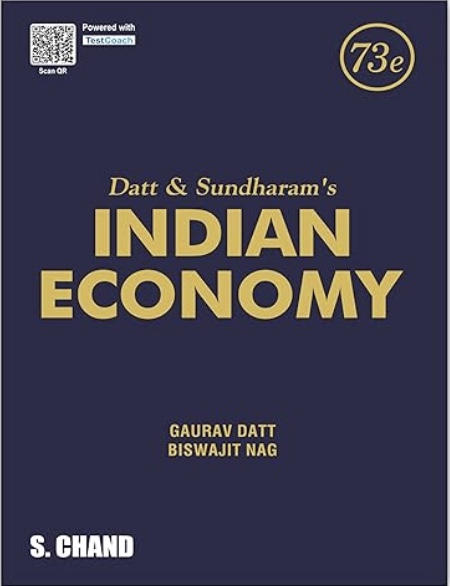
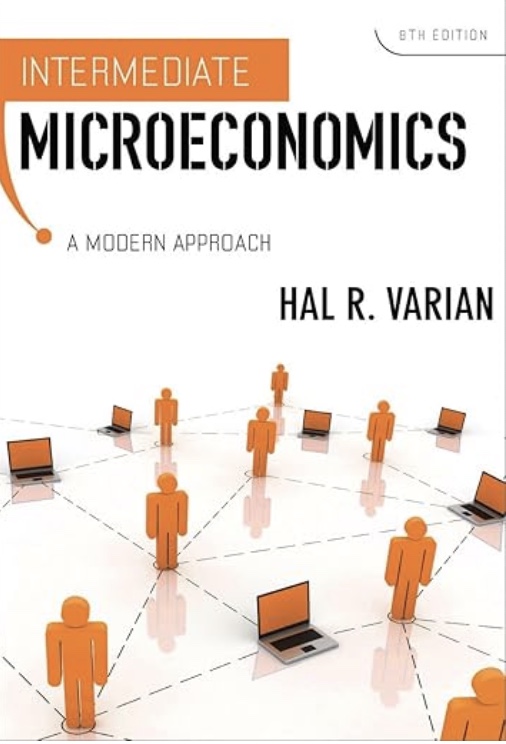
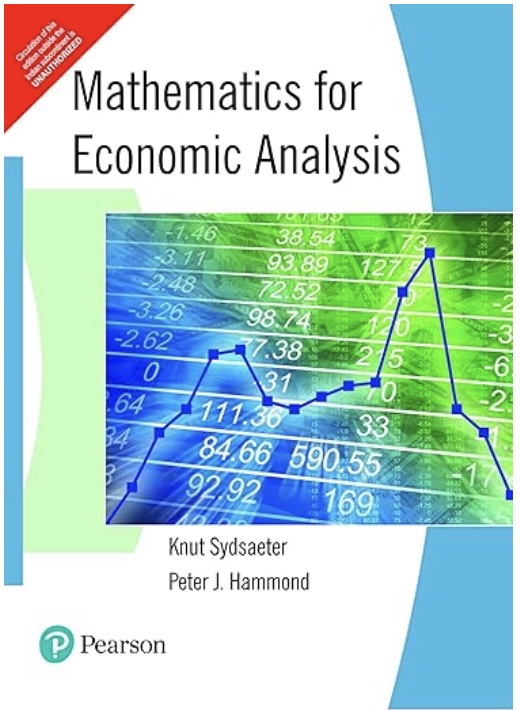
Books for preparing General Economics I of Indian Economic Services Exam